
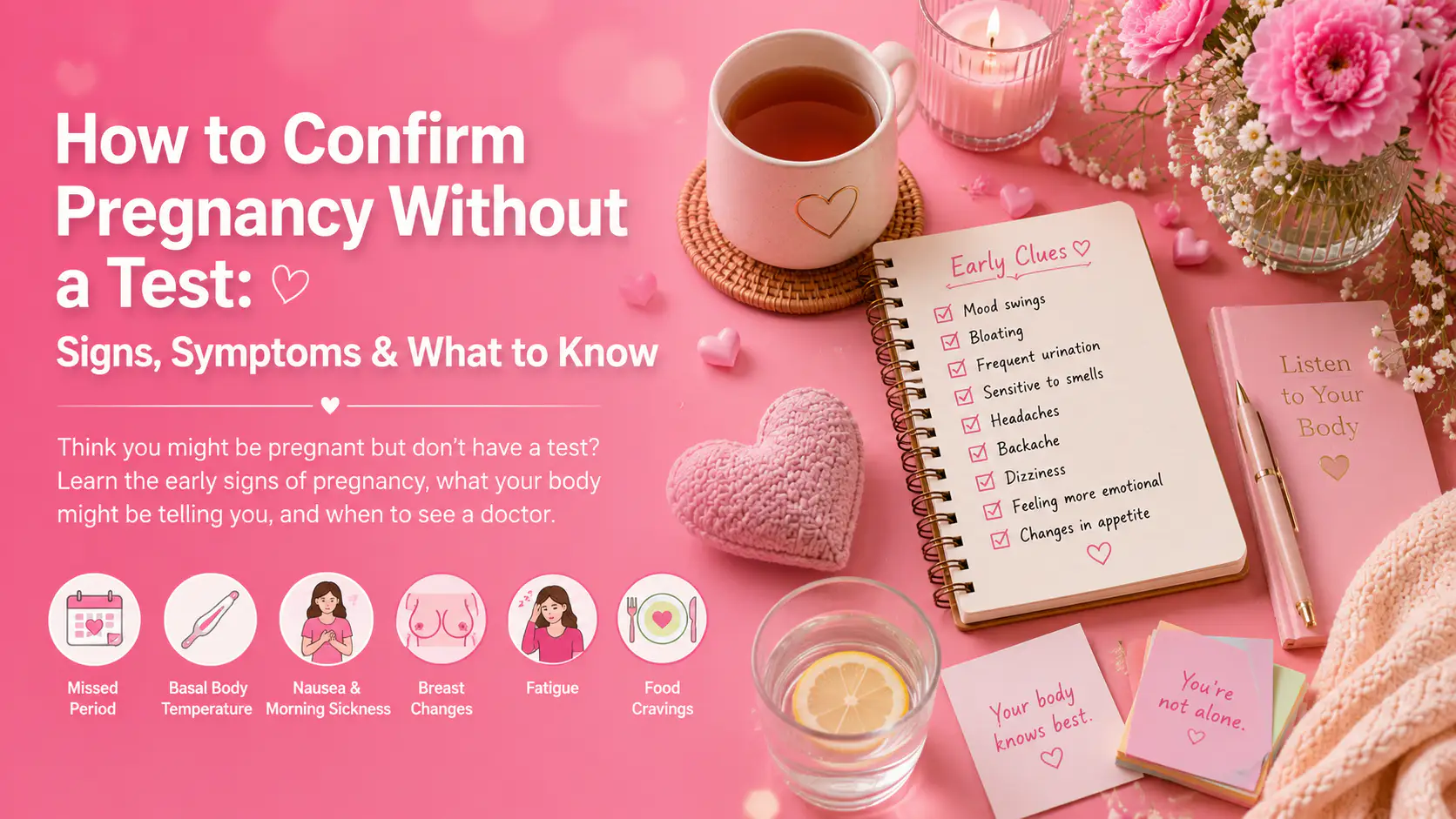

If you think you might be pregnant but don’t have access to a pregnancy test, you may be wondering whether it’s possible to confirm pregnancy without one. While your body can show several early pregnancy signs, there is no reliable way to confirm pregnancy without a pregnancy test or a healthcare provider’s evaluation.
However, recognizing common symptoms can help you decide when it’s time to take a home pregnancy test or schedule a medical appointment.
In this guide, we’ll explain the early signs of pregnancy, common myths, and the most accurate ways to confirm pregnancy. explore DidYouSearch!
Can You Confirm Pregnancy Without a Test?
No.
Although early pregnancy often causes noticeable physical changes, symptoms alone cannot confirm pregnancy. Many early pregnancy symptoms are similar to premenstrual syndrome (PMS), hormonal fluctuations, stress, or certain medical conditions.
The only reliable ways to confirm pregnancy are:
- A home pregnancy test
- A blood pregnancy test
- An ultrasound performed by a healthcare provider
Early Signs That May Suggest Pregnancy
While these symptoms don’t prove pregnancy, they are common early indicators.
1. Missed Period
A missed menstrual period is often the first noticeable sign of pregnancy, especially if your cycles are usually regular.
However, stress, illness, weight changes, and hormonal imbalances can also delay your period.
2. Tender or Swollen Breasts
Hormonal changes during early pregnancy may cause:
- Breast tenderness
- Swelling
- Tingling sensations
- Darkening of the nipples or areolas
These changes can appear within one to two weeks after conception.
3. Fatigue
Feeling unusually tired is common during the first trimester.
Rising progesterone levels and increased energy demands can leave you feeling exhausted, even after a full night’s sleep.
4. Morning Sickness
Despite its name, nausea can occur at any time of day.
Symptoms often begin between weeks 4 and 6 of pregnancy and may include:
- Nausea
- Vomiting
- Food aversions
- Increased sensitivity to smells
5. Frequent Urination
Many people notice they need to urinate more often during early pregnancy due to hormonal changes and increased blood flow to the kidneys.
6. Implantation Bleeding
Some people experience light spotting about 6–12 days after fertilization.
Implantation bleeding is usually:
- Light pink or brown
- Much lighter than a normal period
- Lasts one or two days
Not everyone experiences implantation bleeding.
7. Mild Cramping
Light cramping may occur when the fertilized egg implants into the uterus.
Unlike menstrual cramps, implantation cramps are usually mild and short-lived.
8. Food Cravings or Aversions
Pregnancy hormones can change your appetite.
You may suddenly crave certain foods or become sensitive to smells and foods you previously enjoyed.
9. Mood Changes
Hormonal fluctuations can affect emotions, leading to:
- Mood swings
- Irritability
- Increased emotional sensitivity
- Anxiety
10. Increased Basal Body Temperature
If you’ve been tracking your basal body temperature, a consistently elevated temperature for more than two weeks after ovulation may be an early sign of pregnancy.
Can You Tell by Feeling Your Pulse or Belly?
No.
There is no scientific evidence that checking your pulse, feeling your abdomen, or using traditional home methods can accurately diagnose pregnancy.
Common Pregnancy Myths
Several home methods claim to detect pregnancy, but none are scientifically reliable.
These include:
- Toothpaste pregnancy test
- Sugar pregnancy test
- Salt pregnancy test
- Baking soda pregnancy test
- Soap pregnancy test
- Bleach pregnancy test
- Pulse test
These methods have no medical basis and should not be used to determine whether you’re pregnant.
When Should You Take a Pregnancy Test?
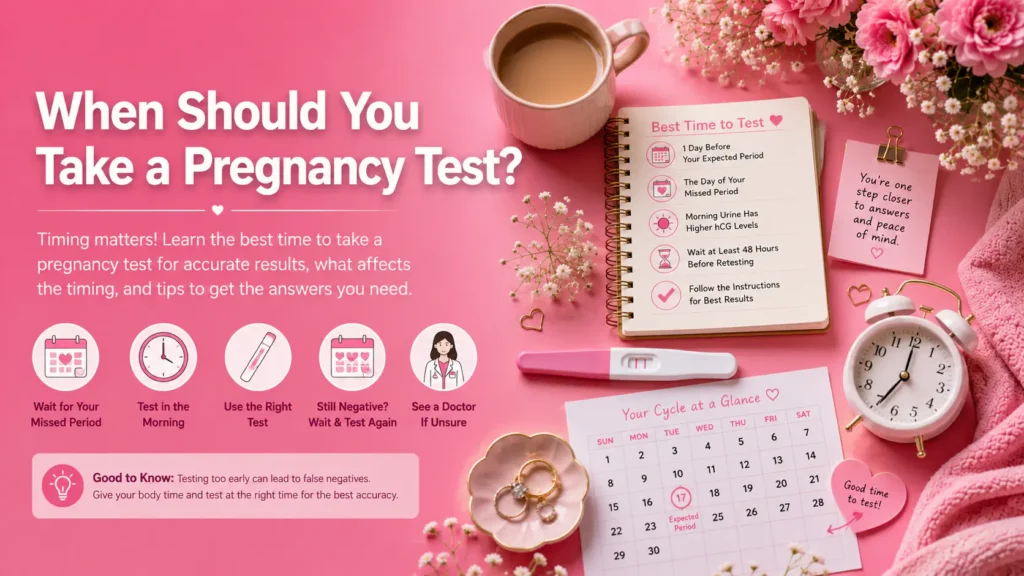
For the most accurate result:
- Wait until the first day of your missed period.
- Use your first morning urine whenever possible.
- Follow the instructions provided with the test.
- If the result is negative but your period doesn’t begin, repeat the test after 48 hours.
Can a Doctor Confirm Pregnancy Without a Home Test?
Yes.
A healthcare provider may confirm pregnancy using:
- Blood tests that detect hCG earlier than urine tests
- Pelvic examination (limited usefulness alone)
- Ultrasound, usually after about 5–6 weeks of pregnancy
When to See a Healthcare Provider
Schedule an appointment if you:
- Have a positive pregnancy test
- Miss your period and continue having pregnancy symptoms
- Experience severe abdominal pain
- Have heavy bleeding
- Feel dizzy or faint
Prompt medical care is especially important if there’s concern for an ectopic pregnancy or another urgent condition.
Tips While Waiting to Confirm Pregnancy
If pregnancy is possible:
- Avoid alcohol and smoking.
- Limit caffeine according to medical guidance.
- Begin taking a prenatal vitamin with folic acid if you’re trying to conceive or think you may be pregnant.
- Eat a balanced diet and stay hydrated.
- Avoid starting or stopping medications without medical advice.
Frequently Asked Questions (FAQ)
Can I know if I’m pregnant without taking a test?
You may notice early pregnancy symptoms, but symptoms alone cannot confirm pregnancy. A pregnancy test or healthcare provider’s evaluation is needed for confirmation.
What is the earliest sign of pregnancy?
For many people, the earliest noticeable sign is a missed period. Others may experience fatigue, breast tenderness, or implantation spotting before realizing they are pregnant.
Can I feel pregnant after one week?
Most people do not notice symptoms within one week of conception. Early signs usually appear after implantation, which typically occurs about 6–12 days after fertilization.
Are home pregnancy tests more accurate than home remedies?
Yes. FDA-cleared home pregnancy tests are far more accurate than homemade methods such as toothpaste, baking soda, or sugar tests.
Can stress cause pregnancy-like symptoms?
Yes. Stress can delay your period and cause fatigue, nausea, breast tenderness, and mood changes, making it difficult to distinguish from early pregnancy.