
High blood pressure during pregnancy — whether it’s gestational hypertension or preeclampsia — is one of the more serious complications doctors watch for at every prenatal visit. While diet alone can’t prevent or treat these conditions, research does show that certain eating patterns can support healthy blood pressure and may lower your risk. Here’s what the evidence says about foods that help, foods that don’t help as much as people assume, and where nutrition fits alongside medical care.
The Quick Answer
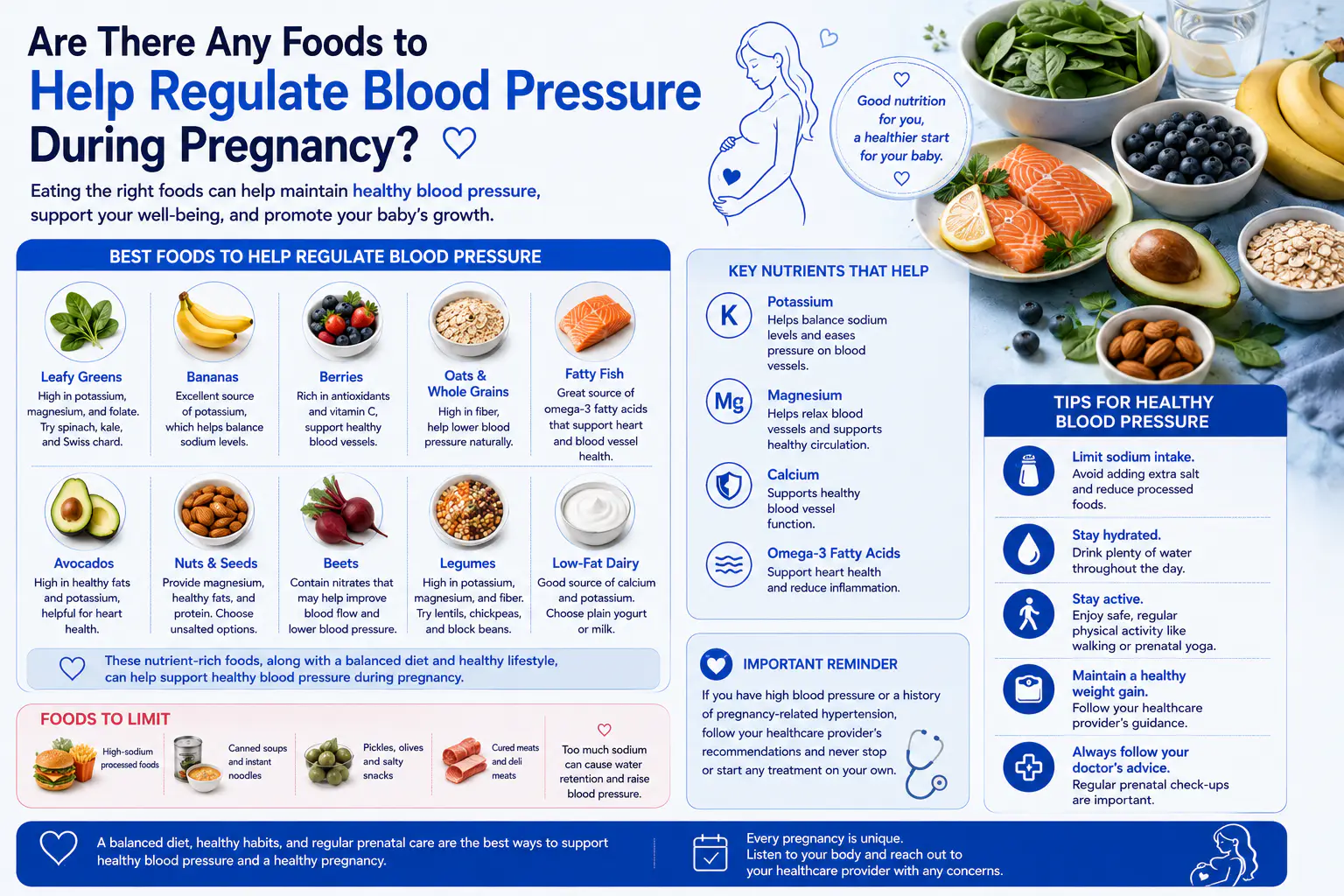
A diet rich in fruits, vegetables, whole grains, low-fat dairy, lean protein, and healthy fats — often described as a DASH-style eating pattern — is the most well-supported approach for supporting healthy blood pressure during pregnancy. Specific nutrients worth prioritizing include potassium, calcium, magnesium, fiber, and adequate protein. Just as important: this is a condition that requires medical monitoring, and diet should be treated as a support to your care team’s guidance, not a replacement for it.
Why Blood Pressure Matters So Much in Pregnancy
High blood pressure during pregnancy can range from mild gestational hypertension to preeclampsia, a more serious condition involving high blood pressure plus signs like protein in the urine or organ strain. Left unmanaged, it can lead to complications for both mother and baby, including restricted fetal growth, preterm birth, and, in severe cases, seizures (eclampsia) or HELLP syndrome. That seriousness is exactly why regular prenatal checkups matter so much — blood pressure is checked at nearly every appointment for a reason.
The DASH Diet: The Most Researched Approach
The DASH diet (Dietary Approaches to Stop Hypertension) — built around fruits, vegetables, whole grains, low-fat dairy, and limited saturated fat and added sugar — has the strongest research behind it when it comes to pregnancy blood pressure. Higher adherence to a DASH-style eating pattern has been associated with a meaningfully reduced risk of preeclampsia in observational studies, and intervention trials in higher-risk pregnancies have shown improved blood pressure control.
Nutrients and Foods Worth Prioritizing
Potassium. Potassium helps balance sodium levels and supports healthy blood vessel function. Good sources include bananas, sweet potatoes, avocados, spinach, and beans.
Calcium. Calcium plays a role in blood vessel regulation, and adequate intake is linked to a lower risk of preeclampsia, especially in populations with low baseline calcium intake. Dairy, fortified plant milks, and leafy greens are good sources; some higher-risk pregnancies may be advised to take a calcium supplement, which is a conversation worth having with your provider.
Magnesium. Found in nuts, seeds, whole grains, and leafy greens, magnesium supports blood vessel relaxation and healthy vascular tone.
Fiber. Aiming for around 25–30 grams of fiber a day — through fruits, vegetables, legumes, and whole grains — may help reduce blood pressure and inflammation, partly by improving cholesterol levels.
Protein. Adequate protein intake, generally in the range of 70–100+ grams a day depending on trimester and individual needs, supports healthy blood vessel elasticity. Low protein intake has specifically been associated with higher preeclampsia risk in research. Whole-food protein sources like eggs, legumes, dairy, and lean meat also bring along other useful nutrients.
Omega-3s. Low-mercury fish like salmon and sardines provide omega-3 fatty acids, though research on fish oil specifically preventing preeclampsia has been mixed — it’s a reasonable addition as part of an overall healthy diet rather than a guaranteed fix on its own.
Fruits and vegetables broadly. Aiming for a wide variety — often cited as at least 5 cups a day — brings together potassium, fiber, antioxidants, and folate all at once.
What About Salt?
This is where the advice online gets genuinely conflicting, so it’s worth naming directly. Some sources recommend limiting sodium the way you would for general hypertension, while others — including some research reviews — note that salt restriction hasn’t been shown to meaningfully lower blood pressure risk in pregnancy specifically, and that severely restricting sodium isn’t necessary for most people. The more consistent, evidence-backed advice is to limit ultra-processed and packaged foods (which tend to be high in sodium, added sugar, and unhealthy fats) rather than to obsessively track salt intake. If you already have hypertension or have been told to watch your sodium by your provider, follow their specific guidance over general internet advice.
Foods to Limit
Highly processed and packaged foods, which tend to be high in sodium and low in nutrients
Foods high in added sugar, including sugary drinks
Excess saturated fat, found in fried foods and fatty processed meats
High caffeine intake, which can cause temporary blood pressure spikes
The Bottom Line
No single food prevents or cures high blood pressure in pregnancy, but a DASH-style diet rich in fruits, vegetables, whole grains, lean protein, and low-fat dairy is the most evidence-backed nutritional approach for supporting healthy blood pressure. Potassium, calcium, magnesium, fiber, and adequate protein are the nutrients worth prioritizing, while ultra-processed foods and added sugar are worth limiting. Because high blood pressure in pregnancy can escalate quickly and seriously, diet should work alongside — never instead of — regular prenatal care and any specific guidance your doctor gives you.
FAQ
Can diet alone prevent preeclampsia?
No. Diet may help support healthy blood pressure and could modestly reduce risk, but preeclampsia is a complex medical condition that requires monitoring and treatment from your healthcare provider. Regular prenatal visits remain essential.
Should I cut out salt if I have high blood pressure during pregnancy?
Not necessarily. Research hasn’t consistently shown that strict salt restriction lowers blood pressure risk in pregnancy specifically. It’s generally more useful to reduce processed and packaged foods overall rather than obsess over sodium alone — but always follow your provider’s specific recommendations if they’ve advised you differently.
What fruits and vegetables are best for blood pressure during pregnancy?
Potassium-rich options like bananas, sweet potatoes, spinach, and avocados are especially useful, alongside a wide variety of colorful fruits and vegetables for fiber and antioxidants.
Does caffeine affect blood pressure during pregnancy?
Yes, caffeine can cause temporary increases in blood pressure and heart rate. Staying within the general pregnancy guideline of under 200 mg of caffeine per day is a reasonable approach if blood pressure is a concern.
What are the warning signs of high blood pressure in pregnancy I shouldn’t ignore?
Symptoms like severe headaches, vision changes, upper abdominal pain, sudden swelling, or shortness of breath should be reported to your doctor right away, as they can signal preeclampsia progressing and may need urgent evaluation.