
Skip to content
DidYouSearch DidYouSearch
  • did you search?
  • Baby Plus+
    • Baby Activities
      • Arts & Crafts
      • Indoor Activities
      • Montessori
      • Music
      • Outdoor Activities
      • Reading
      • Sensory Play
      • Tummy Time
    • Baby Development
      • Brain Development
      • Cognitive Development
      • Emotional Development
      • Fine Motor Skills
      • Growth Milestones
      • Monthly Milestones
      • Motor Skills
      • Physical Development
      • Social Development
      • Speech Development
    • Baby Feeding
      • Allergies
      • Baby Led Weaning
      • Bottle Feeding
      • Breast feeding
        • Breastfeeding Diet
        • Breastfeeding Positions
        • Latch Problems
        • Low Milk Supply
        • Mastitis
        • Pumping Schedule
        • Weaning
      • Burping
      • Cluster Feeding
      • Feeding Schedule
      • Formula Feeding
        • Formula Amount
        • Formula Brands
        • Formula Comparison
        • Formula Preparation
        • Formula Storage
      • Hydration
      • Pumping
      • Solid Foods
    • Baby Gear Reviews
      • Best Baby Carrier
      • Best Baby Monitor
      • Best Baby Strollers
      • Best Bottles
      • Best Breast Pump
      • Best Car Seat
      • Best Cribs
      • Best Diapers
      • Best Formula
      • Best Toys
    • Baby Growth
      • Growth Spurts
      • Height Charts
      • Monthly Growth
      • Percentiles
      • Weight Charts
    • Baby Health
      • Allergies
      • Cold
      • Constipation
      • Cough
      • Diarrhea
      • Ear Infection
      • Fever
      • Flu
      • Pediatric Visits
      • Rashes
      • Teething
      • Vaccines
      • Vomiting
    • Baby Nutrition
      • Dairy
      • Drinks
      • Eggs
      • Fish
      • Fruits
      • Healthy Recipes
      • Meat
      • Snacks
      • Vegetables
      • Vitamins
    • Baby Products
      • Baby Carriers
      • Bassinets
      • Bottles
      • Breast Pumps
      • Car Seats
      • Cribs
      • Diaper Bags
      • High Chairs
      • Monitors
      • Strollers
      • Swings
      • Toys
      • Walkers
    • Baby Recipes
      • BLW Recipes
      • Breakfast
      • Dinner
      • Finger Foods
      • Lunch
      • Purees
      • Snacks
    • Baby Safety
      • Baby Proofing
      • Car Seats
      • Choking Hazards
      • CPR
      • Home Safety
      • Poison Prevention
      • Safe Sleep
      • Sun Protection
      • Water Safety
  • Baby Names
    • Boy Names
    • Girl Names
    • American baby boy names
    • American baby girl names
    • Biblical Names
    • Middle Names
    • Modern Names
    • Short Names
    • Unique Names
    • Unisex Names
  • Recommended
    • Baby Shopping
      • Baby Registry
      • Budget Baby Shopping
      • Hospital Bag
      • Must Have Products
      • Newborn Checklist
      • Nursery Ideas
    • Baby Sleep
      • Bedtime Routine
      • Co Sleeping
      • Crib Safety
      • Nap Schedules
      • Night Wakings
      • Sleep Environment
      • Sleep Products
      • Sleep Regression
      • Sleep Training
      • Wake Windows
      • White Noise
    • Childcare
      • Daycare
      • Babysitters
      • Kindergarten
      • Nannies
      • Preschool
    • Newborn Care
      • Nail Care
      • Baby Hygiene
      • Bathing
      • Crying
      • Diapering
      • Ear Care
      • Eye Care
      • Skin Care
      • Soothing Techniques
      • Temperature
      • Umbilical Cord
    • Special Needs
      • Premature Babies
      • Autism Signs
      • Developmental Delays
      • Down Syndrome
      • NICU
      • Twins
    • Seasonal Baby Care
      • Spring
      • Summer
      • Travel
      • Fall
      • Holidays
      • Winter
  • Parenting
    • Bonding
    • Discipline
    • Emotional Intelligence
    • First Time Parents
    • Gentle Parenting
    • Positive Parenting
    • Routines
    • Single Parents
    • Working Parents
  • Pregnancy
    • Pregnancy Complications
    • Labor & Delivery
    • Postpartum Recovery
    • Pregnancy Exercises
    • Pregnancy Medications
    • Pregnancy Nutrition
    • Pregnancy Sleep
    • Pregnancy Symptoms
    • Pregnancy Tests
    • Pregnancy Vitamins
    • Pregnancy Weeks
  • Toddler
    • Preschool
    • Speech
    • Tantrums
    • Toddler Food
    • Toddler Sleep
    • Behavior
    • Independence
    • Learning
    • Potty Training
  • Traveling with Baby
    • Road Trips
    • Beach
    • Camping
    • Flying
    • Hotels
    • Packing Lists
  • did you search?
  • Baby Plus+
    • Baby Activities
      • Arts & Crafts
      • Indoor Activities
      • Montessori
      • Music
      • Outdoor Activities
      • Reading
      • Sensory Play
      • Tummy Time
    • Baby Development
      • Brain Development
      • Cognitive Development
      • Emotional Development
      • Fine Motor Skills
      • Growth Milestones
      • Monthly Milestones
      • Motor Skills
      • Physical Development
      • Social Development
      • Speech Development
    • Baby Feeding
      • Allergies
      • Baby Led Weaning
      • Bottle Feeding
      • Breast feeding
        • Breastfeeding Diet
        • Breastfeeding Positions
        • Latch Problems
        • Low Milk Supply
        • Mastitis
        • Pumping Schedule
        • Weaning
      • Burping
      • Cluster Feeding
      • Feeding Schedule
      • Formula Feeding
        • Formula Amount
        • Formula Brands
        • Formula Comparison
        • Formula Preparation
        • Formula Storage
      • Hydration
      • Pumping
      • Solid Foods
    • Baby Gear Reviews
      • Best Baby Carrier
      • Best Baby Monitor
      • Best Baby Strollers
      • Best Bottles
      • Best Breast Pump
      • Best Car Seat
      • Best Cribs
      • Best Diapers
      • Best Formula
      • Best Toys
    • Baby Growth
      • Growth Spurts
      • Height Charts
      • Monthly Growth
      • Percentiles
      • Weight Charts
    • Baby Health
      • Allergies
      • Cold
      • Constipation
      • Cough
      • Diarrhea
      • Ear Infection
      • Fever
      • Flu
      • Pediatric Visits
      • Rashes
      • Teething
      • Vaccines
      • Vomiting
    • Baby Nutrition
      • Dairy
      • Drinks
      • Eggs
      • Fish
      • Fruits
      • Healthy Recipes
      • Meat
      • Snacks
      • Vegetables
      • Vitamins
    • Baby Products
      • Baby Carriers
      • Bassinets
      • Bottles
      • Breast Pumps
      • Car Seats
      • Cribs
      • Diaper Bags
      • High Chairs
      • Monitors
      • Strollers
      • Swings
      • Toys
      • Walkers
    • Baby Recipes
      • BLW Recipes
      • Breakfast
      • Dinner
      • Finger Foods
      • Lunch
      • Purees
      • Snacks
    • Baby Safety
      • Baby Proofing
      • Car Seats
      • Choking Hazards
      • CPR
      • Home Safety
      • Poison Prevention
      • Safe Sleep
      • Sun Protection
      • Water Safety
  • Baby Names
    • Boy Names
    • Girl Names
    • American baby boy names
    • American baby girl names
    • Biblical Names
    • Middle Names
    • Modern Names
    • Short Names
    • Unique Names
    • Unisex Names
  • Recommended
    • Baby Shopping
      • Baby Registry
      • Budget Baby Shopping
      • Hospital Bag
      • Must Have Products
      • Newborn Checklist
      • Nursery Ideas
    • Baby Sleep
      • Bedtime Routine
      • Co Sleeping
      • Crib Safety
      • Nap Schedules
      • Night Wakings
      • Sleep Environment
      • Sleep Products
      • Sleep Regression
      • Sleep Training
      • Wake Windows
      • White Noise
    • Childcare
      • Daycare
      • Babysitters
      • Kindergarten
      • Nannies
      • Preschool
    • Newborn Care
      • Nail Care
      • Baby Hygiene
      • Bathing
      • Crying
      • Diapering
      • Ear Care
      • Eye Care
      • Skin Care
      • Soothing Techniques
      • Temperature
      • Umbilical Cord
    • Special Needs
      • Premature Babies
      • Autism Signs
      • Developmental Delays
      • Down Syndrome
      • NICU
      • Twins
    • Seasonal Baby Care
      • Spring
      • Summer
      • Travel
      • Fall
      • Holidays
      • Winter
  • Parenting
    • Bonding
    • Discipline
    • Emotional Intelligence
    • First Time Parents
    • Gentle Parenting
    • Positive Parenting
    • Routines
    • Single Parents
    • Working Parents
  • Pregnancy
    • Pregnancy Complications
    • Labor & Delivery
    • Postpartum Recovery
    • Pregnancy Exercises
    • Pregnancy Medications
    • Pregnancy Nutrition
    • Pregnancy Sleep
    • Pregnancy Symptoms
    • Pregnancy Tests
    • Pregnancy Vitamins
    • Pregnancy Weeks
  • Toddler
    • Preschool
    • Speech
    • Tantrums
    • Toddler Food
    • Toddler Sleep
    • Behavior
    • Independence
    • Learning
    • Potty Training
  • Traveling with Baby
    • Road Trips
    • Beach
    • Camping
    • Flying
    • Hotels
    • Packing Lists
Close

Search

Home/Baby Safety/Baby Proofing/Best Outlet Covers for Babies
Baby ProofingBaby Safety

Best Outlet Covers for Babies

By Ali
August 3, 2026 4 Min Read
0

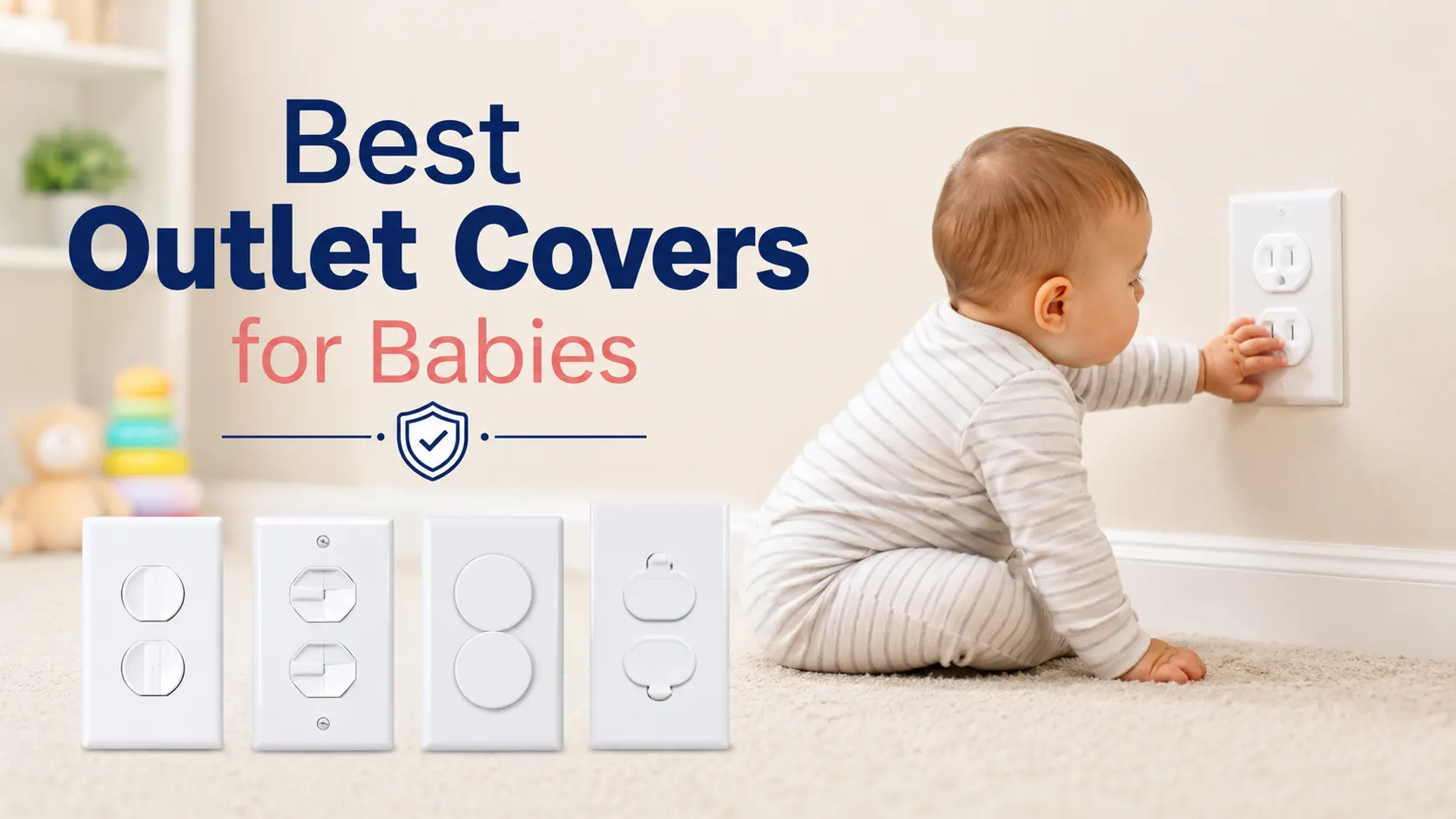
Plastic plug caps are the outlet cover most parents buy first, and they’re also the weakest option available — they get left out after use, toddlers learn to pull them out within months, and a removed cap is itself a choking hazard. This guide ranks the real options by how much protection they actually provide, not just how cheap or familiar they are.

Quick answer: Tamper-resistant receptacles (TRRs) — outlets with a built-in spring-loaded shutter — are the most effective option and have been required by code in new U.S. construction since 2008. If your home predates that, sliding plate covers are a reasonable interim step, but plan to have an electrician swap in TRRs for permanent protection.

The Three Real Options, Ranked

Contents hide
1 The Three Real Options, Ranked
2 Why Plug Caps Rank Last
3 Tamper-Resistant Receptacles: How They Actually Work
4 Sliding Covers: What Separates a Good One from a Bad One
5 Box Covers: For Outlets That Stay Plugged In
6 Kitchen and Bathroom Need Something Extra
7 The Myth: “Tamper-Resistant” Doesn’t Mean “Childproof”
8 Frequently Asked
9 Common Questions
Tamper-Resistant Receptacles (TRR) Sliding Plate Covers Plastic Plug Caps
How it works Built into the outlet; spring-loaded shutters require equal pressure on both slots Aftermarket plate with a spring-loaded cover that slides aside for a plug Small plastic piece inserted directly into each unused slot
Choking hazard None — nothing to remove Low, if properly installed and flush High — the single biggest drawback of this option
Convenience Works exactly like a normal outlet, no extra steps Slides open automatically when plugging in Must be manually removed and replaced every use
Defeatable by toddlers Very difficult — requires simultaneous, equal pressure on both slots Possible if spring tension is weak or installation is loose Easily, often within months
Installation Requires an electrician (or DIY for those comfortable with basic wiring) DIY, a few minutes per outlet DIY, seconds per outlet
Best for Permanent solution, especially homes built before 2008 Interim solution while planning a TRR upgrade Not recommended as a primary safety measure

Why Plug Caps Rank Last

Plug caps are the cheapest and most familiar option, which is exactly why they’re worth addressing directly: they carry two compounding problems.

  • They require a deliberate, repeated action — removing the cap to plug something in, then remembering to replace it every single time. In practice, caps are frequently left out “just for now” and never replaced.
  • A removed cap is a small, easily lost object exactly the right size to be a choking hazard. This is the detail most parents don’t anticipate: the “safety product” itself becomes the risk once it’s out of the outlet.

Plug caps aren’t useless as a stopgap for a handful of rarely used outlets, but they shouldn’t be your primary or only outlet safety measure in any room your baby regularly accesses.

Tamper-Resistant Receptacles: How They Actually Work

A TRR looks identical to a standard outlet from the outside, but internally, each slot has a spring-loaded shutter. The shutters only open when equal, simultaneous pressure is applied to both slots at once — which is exactly what a plug’s two prongs do, and exactly what a single object (a key, a hairpin, a curious finger) can’t replicate.

  • Required by the National Electrical Code in all new U.S. residential construction since 2008 — if your home was built or fully rewired after that, you likely already have them
  • No ongoing maintenance or “remembering” required, since the protection is built into the outlet itself
  • An electrician can typically swap a standard outlet for a TRR in well under 20 minutes, and the outlets themselves cost only a few dollars each
  • This is the only option on this list that provides truly permanent, no-effort protection

If your home predates 2008 and you’re deciding where to invest first, prioritize TRR upgrades in the rooms your baby spends the most time in, then use sliding covers elsewhere in the interim.

Sliding Covers: What Separates a Good One from a Bad One

Sliding plate covers mount over your existing outlet and use a spring-loaded plate that slides aside when a plug is inserted, then closes automatically when removed. Quality varies significantly between products:

  • Spring tension is the deciding factor — a cover with weak spring tension opens too easily under a toddler’s persistent pressure, defeating the purpose
  • Fit matters as much as the mechanism — a cover that doesn’t sit flush against the wall leaves a gap a determined toddler can work at
  • These don’t require removing anything to use the outlet, which is their real advantage over plug caps — there’s nothing to lose track of and no step to forget

Treat a sliding cover as a legitimate interim solution, not a permanent substitute for a TRR upgrade, especially in high-traffic rooms.

Box Covers: For Outlets That Stay Plugged In

Box covers are a different category entirely — they’re designed for outlets with something permanently plugged in (a lamp, a router, an appliance), covering the entire outlet and plug assembly rather than just empty slots.

  • Prevents a baby from unplugging cords or accessing the plug connection itself, not just the empty outlet holes
  • Available in different sizes to accommodate larger plugs, adapters, or multiple cords
  • Can be left in place indefinitely and removed easily when you need to access the outlet
  • The main tradeoff is bulk and appearance — these are noticeably larger than a standard cover plate

Kitchen and Bathroom Need Something Extra

Standard outlet protection addresses tampering and shock risk from curious hands, but kitchens and bathrooms have an additional factor: moisture. Outlets in these rooms should have GFCI (ground-fault circuit interrupter) protection regardless of what child safety cover is also used, since GFCI outlets cut power automatically if water contact or a short circuit occurs — a different and additional layer of protection that tamper resistance alone doesn’t provide.

The Myth: “Tamper-Resistant” Doesn’t Mean “Childproof”

Worth stating clearly: TRRs reduce the risk of a child inserting an object into the outlet itself, but they don’t prevent a child from plugging something in and turning it on. A curious toddler with access to a plugged-in curling iron, extension cord, or small appliance can still create a hazard, just a different one than outlet insertion. TRRs solve one specific problem extremely well — they aren’t a substitute for keeping hazardous plugged-in devices out of reach in the first place.

Continue exploring: browse the full Baby Safety hub.

Frequently Asked

Common Questions

Both — they're less effective because toddlers learn to remove them within months, and a removed cap becomes a small object that's itself a choking hazard, which is a risk the outlet cover was supposed to prevent in the first place.
Check the outlet face for "TR" markings, typically stamped near the plug slots. If your home was built or had its electrical system fully updated after 2008, it likely has them throughout, though it's worth spot-checking rather than assuming.
Many parents find it worthwhile specifically because it's a one-time cost that provides permanent protection without any ongoing effort, compared to consistently managing caps or covers for years across early childhood.
Yes — these should have GFCI protection in addition to whatever tamper-resistant or cover solution you use, since GFCI outlets address moisture-related electrical risk, which is a separate concern from a child inserting an object into the slots.
Author

Ali

Digital Marketing enthusiast with a passion for SEO, web design, analytics, and creative problem-solving.

Follow Me
Other Articles
Previous

Best Baby Gates for Stairs

Next

Best Furniture Anchors to Prevent Tip-Overs

No Comment! Be the first one.

Leave a Reply Cancel reply

Your email address will not be published. Required fields are marked *

What is Did You Search?

The “Did You Search” website was created for all mothers and families. Just search to find all your needs about your children.

Links

  • about
  • contact
  • privacy policy
  • medical disclaimer
  • sitemap
Copyright 2026 — DidYouSearch. All rights reserved.