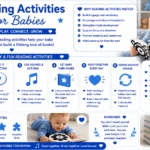


Story time with your baby is one of the simplest, most powerful ways to bond, build early language skills, and create calm routines. You don’t need fancy props or long books. Babies thrive on the sound of your voice, gentle rhythms, repetition, and close contact. Whether you’re holding a newborn or engaging a curious 12-month-old, these practical story time ideas for baby make it easy and enjoyable.
Why Story Time Matters for Babies
Reading and sharing stories from the earliest days supports brain development. The rhythm of language helps babies learn sounds, patterns, and eventually words. Skin-to-skin contact during story time strengthens attachment. A consistent bedtime story or daytime rhyme session can also become a reliable sleep cue. Libraries across the country run baby storytimes and rhyme times for exactly these reasons—songs, bounces, and simple books that stimulate social, emotional, and physical growth.
You can start from birth. Newborns may not follow a plot, but they respond to the cadence of your voice and the comfort of being held. As they grow, short interactive books and action rhymes keep them engaged without overstimulation.
Best Books for Baby Story Time
Choose sturdy board books with high-contrast images, simple repetition, and soothing rhythms. These classics rank among the most recommended bedtime stories for babies and toddlers:
Goodnight Moon by Margaret Wise Brown remains the gold standard. The steady pace of saying goodnight to familiar objects eases little ones toward sleep.
The Going to Bed Book by Sandra Boynton offers playful rhymes and silly animal characters that signal bedtime cheerfully.
Time for Bed or Counting Kisses provide short, rhythmic reads perfect for babies and one-year-olds.
Pajama Time! and If Animals Kissed Goodnight add gentle humor and soft illustrations that work well for winding down.
High-contrast or black-and-white books suit the youngest infants whose vision is still developing.
Keep sessions brief—five minutes or less is often enough. Point to pictures, name objects, and let your baby mouth the sturdy pages if they want to explore.
Simple Rhymes, Songs, and Lap Games
Many of the best baby storytime activities come from traditional nursery rhymes and action songs. These require no books and work anywhere—during a diaper change, in the car, or as a wind-down before a nap.
Try these popular options:
Round and Round the Garden: Trace a circle on your baby’s palm, then walk fingers up the arm for a gentle tickle. The anticipation builds giggles and attention.
Peekaboo: Cover your face or your baby’s and reveal with a soft “I see you!” This classic supports object permanence and social smiling.
This Little Piggy: Count toes with playful voices. It’s perfect for tummy time or changing table moments.
Itsy Bitsy Spider: Use finger motions as you sing. Babies love the up-and-down movement.
Bounce rhymes such as “All the Little Babies Love Bouncing” or simple versions of “The More We Get Together.” Gently bounce baby on your lap, lean side to side, and end with a hug.
Lullabies like a soft “Twinkle, Twinkle, Little Star” or traditional cradle songs create a calm atmosphere for bedtime stories for babies.
Add simple sign language for words like “more,” “milk,” or “all done” during songs. Many library baby programs include this to support early communication.
Creative Story Time Ideas You Can Do at Home
You don’t always need a printed book. Invent short, repetitive stories using what’s around you:
Goodnight Everything: Point to objects in the room and say goodnight to each one—lamp, teddy, blanket, window. Keep the order the same every night so it becomes a predictable ritual.
Sleepy Animal Sounds: Name an animal, make its sound, then say it goes to sleep. “The cow says moo… and the cow goes to sleep.” Babies enjoy the pattern and the soft ending.
Name and Touch: Narrate body parts while gently touching: “Here is your nose… here is my nose… nuzzle nuzzle noses.”
Personalized stories: Create a simple tale starring your baby or a favorite stuffed animal. Keep sentences short and end with a cozy sleep image.
Sensory storytelling: Use a soft scarf for “peek,” a rattle for sound effects, or a mirror so baby can see themselves while you narrate.
For slightly older babies who sit or crawl, try short interactive books with flaps or textures, or act out simple animal movements together after the story.
Tips for Successful Baby Story Time
Choose a calm moment when your baby is alert but not hungry or overtired.
Hold them close so they feel your voice through your chest.
Use an expressive but gentle tone—higher pitch and exaggerated faces often hold attention.
Follow your baby’s cues. If they look away or fuss, pause or switch to a song.
Make it a daily habit, even if it’s only a few minutes. Consistency matters more than length.
Visit a local library baby storytime or rhyme time when you can. These free sessions model songs and rhymes and connect you with other parents.
Story time for babies is less about perfect performance and more about connection. Your voice is the star of the show.
FAQ
When should I start reading to my baby?
You can begin from birth. Newborns benefit from hearing language patterns and the soothing sound of a parent’s voice. Early exposure supports bonding and later literacy skills.
How long should story time last for a baby?
Keep it short—2 to 5 minutes is often ideal for infants. Follow your baby’s interest. As they grow, sessions can stretch a little longer if they stay engaged.
What are the best bedtime stories for newborns?
Look for books with strong rhythm, repetition, and calm illustrations such as Goodnight Moon, Time for Bed, or very simple personalized tales. Soft singing and made-up “goodnight” routines also work beautifully.
Do I need special books, or can I just talk and sing?
Both work. Board books designed for babies are durable and visually appealing, but nursery rhymes, songs, and narrating everyday moments are equally valuable for language development.
How can I make story time part of our bedtime routine?
Choose one or two consistent books or rhymes. Dim the lights, hold your baby, and keep the same order of activities each night. Over time the routine itself signals that sleep is coming.